Carpet Removal Costs Explained
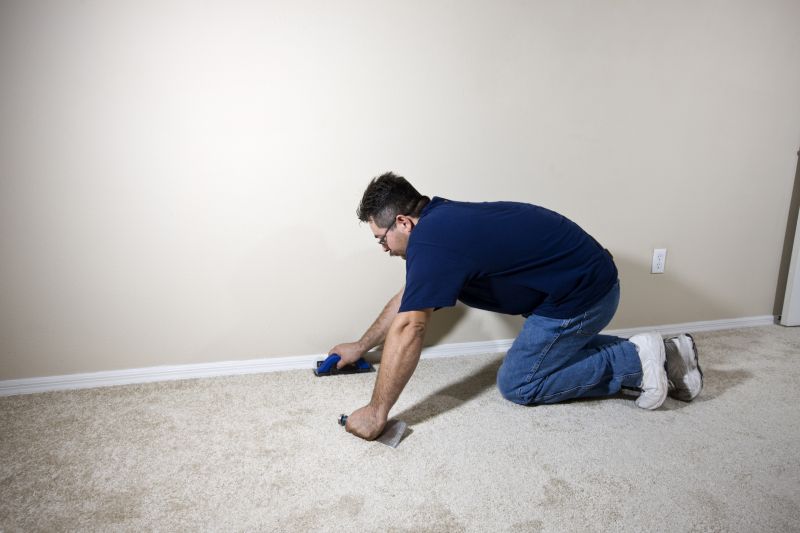
Larger areas require more labor and materials, increasing the overall cost of removal.
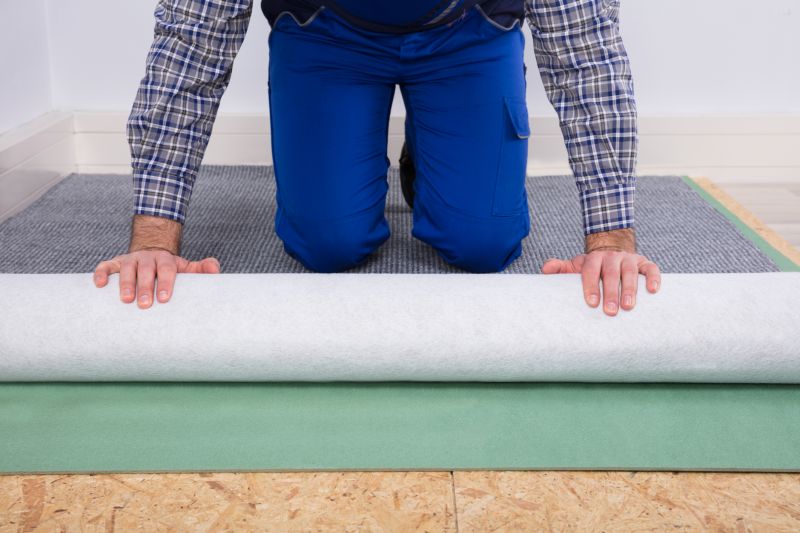
Different carpet materials and thicknesses affect removal difficulty and pricing.
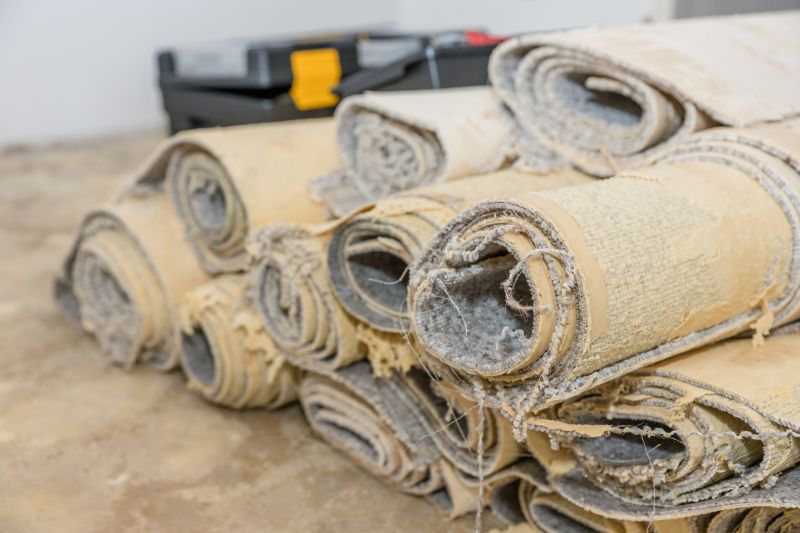
Complex room shapes or hard-to-reach areas can add to labor time and costs.
| Factor | Impact on Cost |
|---|---|
| Carpet Size | Larger carpets increase removal expenses |
| Carpet Material | Heavier or more delicate materials may cost more to remove |
| Room Accessibility | Hard-to-access areas can add labor time |
| Removal Method | Use of specialized tools or techniques influences price |
| Disposal Fees | Cost varies depending on disposal requirements |
| Flooring Type | Existing floor type can affect removal difficulty |
| Location | Urban or remote locations impact transportation costs |
Professional removal services often include disposal fees, which depend on local regulations and the volume of material. The existing flooring beneath the carpet, such as hardwood, tile, or concrete, can influence the removal process, especially if additional preparation or protection is needed. Geographic location also impacts pricing, with urban areas typically incurring higher charges due to transportation and labor costs.

Removing padding adds to labor time and may incur additional charges.
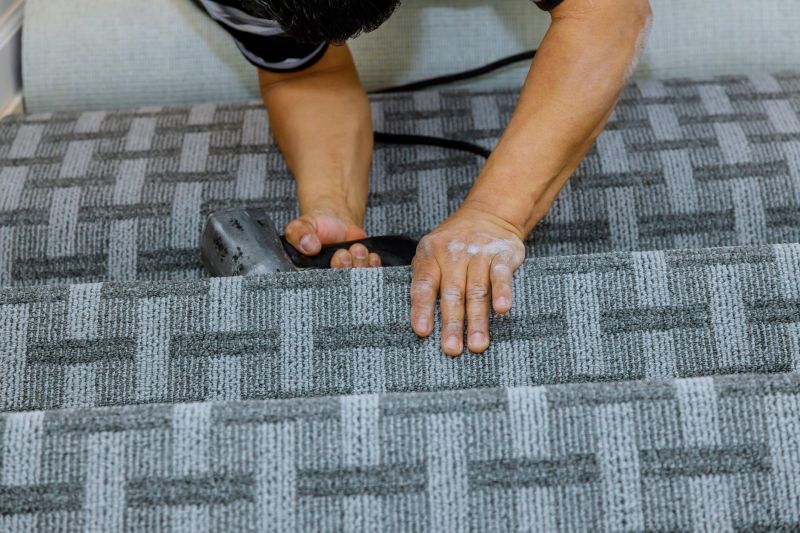
Removing carpets from stairs requires extra care and can increase costs.
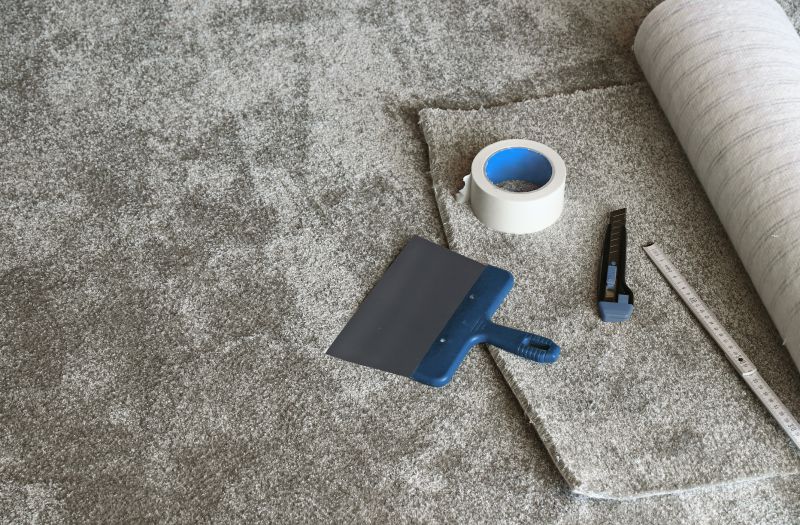
Specialized tools are needed for adhesives and tack strips, influencing pricing.
| Service | Average Price Range |
|---|---|
| Basic Carpet Removal (per room) | $100 - $300 |
| Staircase Carpet Removal | $150 - $400 |
| Old Carpet Disposal | $50 - $150 |
| Padding Removal | $50 - $200 |
| Adhesive and Tack Strip Removal | $100 - $250 |
| Floor Preparation after Removal | $100 - $300 |
| Full Room Carpet Replacement | $300 - $800 |
| Carpet Stretching and Repair | $150 - $400 |
| Multiple Room Discounts | Variable |